Incident Lawsuit: How a Personal Injury Attorney Can Help You Prevail in Your Case
Navigating an accident lawsuit can be complicated and stressful. A legal representative plays a essential function in this process. They offer proficiency in assessing compensation and assembling key information. Their competencies are critical for negotiating with insurance companies and advocating for clients before judges. Recognizing how these experts work can significantly affect the outcome of a case. The next steps in this journey demonstrate the value of their assistance and counsel.
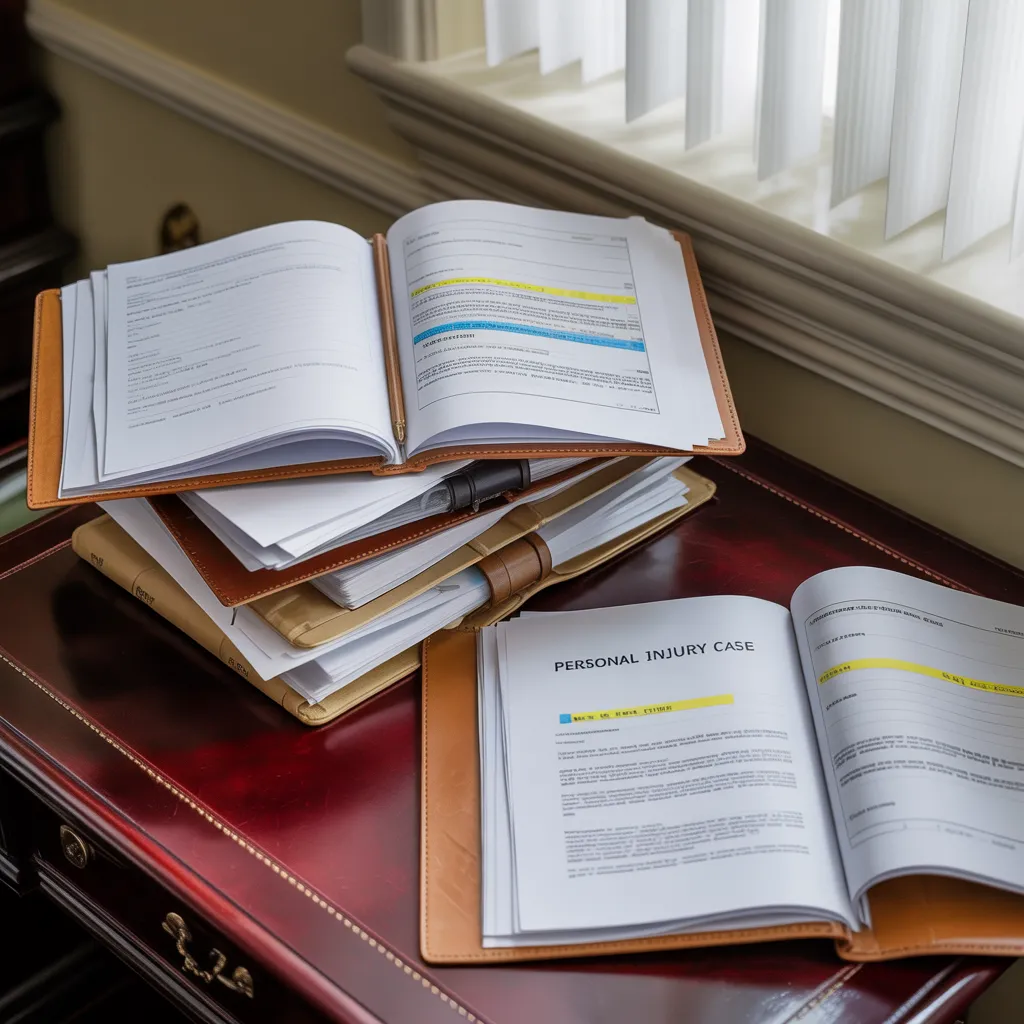
The Value of Acquiring a Personal Injury Attorney After an Crash
Following an accident, individuals often become overwhelmed by the intricacies of legal procedures and insurance claims, making it essential to seek the expertise of a personal injury lawyer. These professionals possess a deep understanding of the legal framework encompassing injury claims, which can greatly influence the outcome of a claim. A personal injury attorney can assist injured parties work through the intricacies of filing claims, gathering necessary evidence, and working with insurance companies.
Their background enables them to analyze the total scope of damages, ensuring clients receive fair compensation for medical expenses, salary loss, and psychological suffering. Additionally, securing a lawyer can alleviate the burden of dealing with legal matters, permitting victims to focus on recovery. Ultimately, engaging a injury counsel can prove priceless in securing restitution and verifying that victims are not shortchanged in their endeavor of appropriate compensation.
Learning About the Responsibilities of a Personal Injury Attorney
A lawyer specializing in personal injury acts as a essential protector for those harmed in accidents, guiding them through the often intimidating legal system. Their primary role is to support clients who have incurred injuries due to negligence by others. This encompasses reviewing the case, providing legal guidance, and building a roadmap to deliver the most favorable conclusion.
Personal injury lawyers possess specialized knowledge about applicable legal statutes, allowing them to traverse complex legal systems effectively. They liaise with insurance companies, negotiate compensation agreements, and, if required, advocate for clients in court. Additionally, they help clients comprehend their legal entitlements and the potential compensation offered for healthcare costs, income loss, and pain and suffering.
How a Personal Injury Lawyer Gathers Crucial Evidence
An injury lawyer serves an important function in gathering critical evidence to support a client's case. This process often involves obtaining witness testimonies and carefully recording the accident scene. These steps are vital for proving liability and strengthening the argument in court.
Witness Narration Accumulation
While the fallout of an accident can be chaotic, assembling witness accounts remains an important task for personal injury lawyers. These attorneys appreciate that eyewitness reports can supply strong evidence to back their clients' allegations. To successfully collect testimony, lawyers often commence by identifying prospective witnesses at the scene, such as passersby or passengers. They then execute interviews, making certain to document the details of each account with precision. Personal injury lawyers may also leverage recorded statements or written affidavits what F1 teaches us about the cost of accidents to preserve the testimony. This process not only strengthens the case but also helps create timelines and clarify the events leading to the accident. Ultimately, thorough witness testimony collection can greatly influence the outcome of an accident lawsuit.
Documenting Accident Location
Collecting witness testimony is just one element of assembling a strong case after an accident. Equally important is documenting the accident scene, as it offers essential evidence to verify claims. A personal injury lawyer carefully takes photographs of the scene, capturing aspects such as vehicle positions, road conditions, and any relevant traffic signs. They also gather physical evidence, like debris or skid marks, which can illustrate the nature of the incident. Furthermore, the lawyer may use diagrams to reconstruct the accident, which aids in clarifying the sequence of events. By putting together this comprehensive documentation, the lawyer strengthens the client’s case, ensuring all pertinent facts are presented effectively during negotiations or in court.
Why Qualified Attorney Assistance Counts for Your Dispute
What function does correct attorney knowledge play in shaping the conclusion of a damage case? Legal skill is crucial in maneuvering through the complications of damage proceedings, as it equips lawyers with the skills to analyze the specifics of each circumstance. A skilled lawyer understands the intricacies of the legal system and can identify the most applicable statutes and established cases that may influence a claim.
Additionally, legal expertise permits lawyers to evaluate the worth of a claim precisely, guaranteeing that clients seek fair compensation. They can also compile and present necessary evidence effectively, which is critical in proving liability. Moreover, experienced attorneys are adept at anticipating potential obstacles and strategizing accordingly, which can significantly determine the trajectory of a claim. Ultimately, the right legal proficiency can transform a seemingly straightforward case into a successful resolution, emphasizing the importance of professional representation in personal injury lawsuits.
Methods for a Legal Expert to Engage With Insurance Companies
Dealing with insurance companies requires skill and strategy, and a personal injury lawyer assumes an essential role in this undertaking. These attorneys understand the complexities of insurance coverage and the tactics often applied by insurance firms to decrease settlements. A injury counsel can competently assess the value of a dispute, taking into account treatment costs, salary loss, and mental anguish.
They have the bargaining skills necessary to present a compelling case to insurance adjusters, guaranteeing that clients obtain fair compensation. By collecting evidence, such as medical records and witness statements, lawyers reinforce their clients' positions.
In addition, they are skilled at challenging low initial offers, standing against unfair practices. The lawyer's experience in similar cases allows them to foresee the insurer's strategies, making them more effective during negotiations. Ultimately, their involvement can increase the likelihood of a favorable settlement, mitigating the stress for the injured party.
Why Professional Legal Representation Is Paramount in Court
While maneuvering through the intricacies of a court system can be intimidating, having legal representation is crucial for ensuring a fair trial. A personal injury attorney possesses the expertise to traverse legal procedures and comprehend subtleties that ordinary individuals may overlook. They are adept at analyzing laws and statutes that can significantly impact the result of a case.
Moreover, attorney services offers a tactical benefit. Legal professionals can craft compelling arguments, present evidence proficiently, and challenge counter-arguments. Their knowledge with courtroom protocols allows them to foresee adversarial approaches and counter them suitably. Additionally, competent attorneys can mitigate mental strain, enabling clients to focus on their healing rather than the intricacies of litigation.
In core, legal representation not only boosts the possibility of securing a favorable verdict but also encourages a sense of certainty and security for persons facing the challenging arena of a courtroom.
What You Should Know About the Lawsuit Journey With Your Lawyer
What can individuals expect during the lawsuit process with their lawyer? At first, individuals will engage in a comprehensive meeting to review the specifics of the case and establish a plan. Following this, the lawyer will gather evidence, such as medical records and testimonies from witnesses, to build a solid case.
As the court case develops, parties can foresee the filing of legal documents, such as the claim and court notice. The opposing side will reply, and the fact-finding process will start, enabling both parties to gather additional facts.
During this process, the legal representative will keep clients updated about developments and prepare them for potential talks or court appearances.
In the final analysis, the duration can shift considerably, but engaging a skilled lawyer can ease the process and strengthen the prospects of a favorable resolution. Clients ought to maintain composure and place trust in their lawyer's skill during this intricate journey.
Frequently Posed Questions
What are the average rates to retain a Personal Injury Lawyer
Common costs for hiring a personal injury lawyer usually range from 30% to 40% of the settlement amount. Some could charge hourly rates or flat fees, influenced by the case's intricacy and particular terms negotiated.
How much time will a personal injury lawsuit generally last?
Typically, a personal injury lawsuit takes anywhere from multiple months to several years to conclude. Factors affecting the timeline include case complexity, evidence gathering, settlement discussions, and court schedules, which can significantly impact the length of time.
Is It Feasible to Change Lawyers While My Case Is Ongoing?
Yes, clients can switch lawyers throughout their matter. However, they should consider possible effects on advancement and expenses, as changing may require additional time and could affect the attorney-client relationship previously established.
What if My Accident Was Partly My Fault?
If an occurrence was to an extent one's wrongdoing, they may still pursue compensation. Most authorities allow for comparative negligence, meaning liability can be joint, likely curtailing the amount awarded but not eliminating eligibility for relief.
Can My Case Be Settled, or Will It Go to Trial?
Going to trial or settling is based on various factors, such as the strength of the case, how negotiations turn out, and willingness of both sides to compromise. Many cases settle before going to trial, whereas others proceed to court for final resolution.
Comments on “Find settlement negotiations”